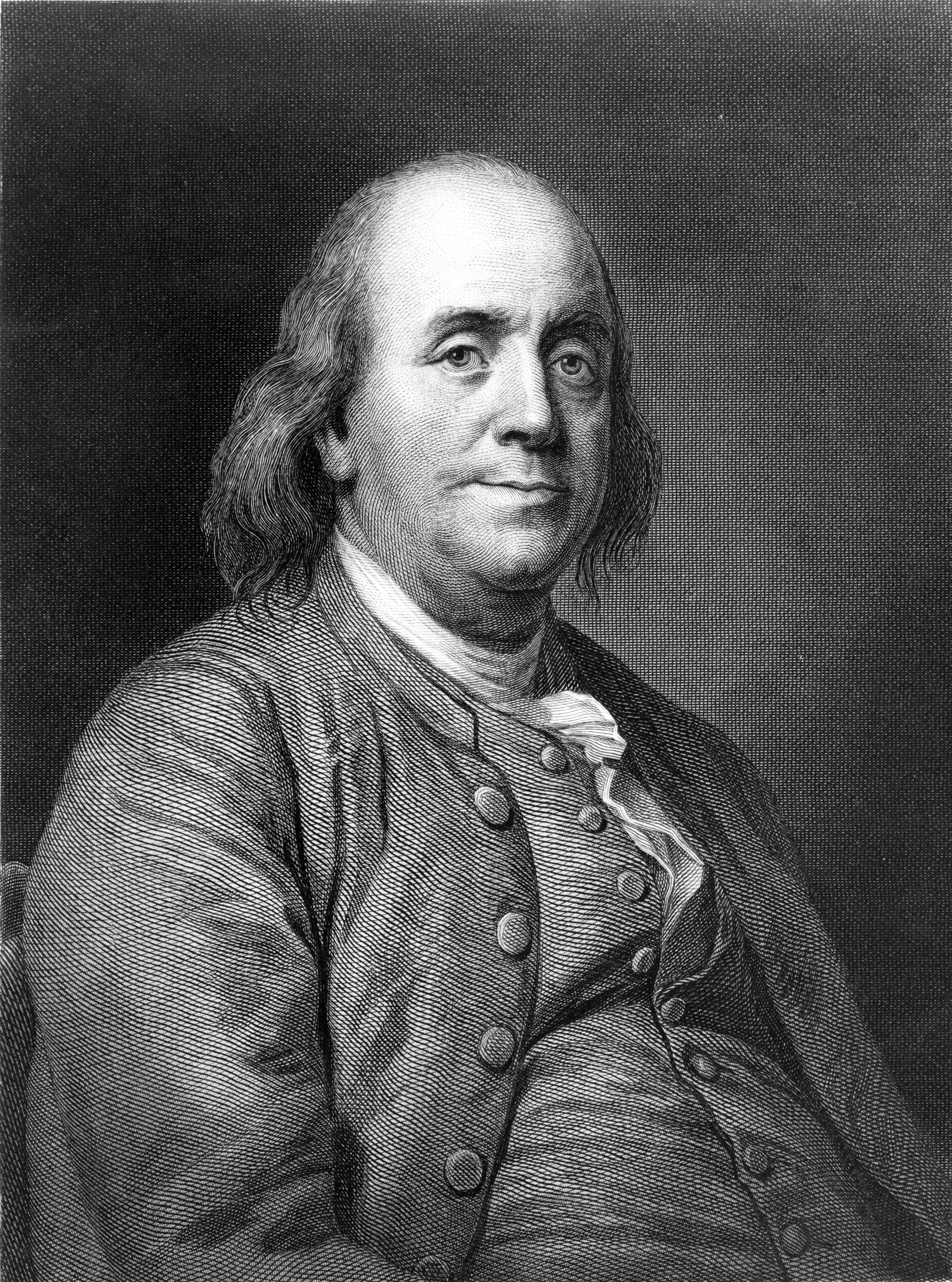
Report of Dr. Benjamin Franklin, and other Commissioners, Charged by the King of France, with the Examination of the Animal Magnetism as now Practised at Paris. Translated from the French. With an Historical Introduction.
London: J. Johnson, 1785.
Price:
$6,000.00
First edition in English. xx, 108 pp. Uncut. 8vo. Contemporary paper wrappers, stitched, minor repairs to the wrappers, early manuscript inscriptions on upper wrapper. Ford 361; Sabin 25579; ESTC N13072; Duveen-Klickstein 228.
Item #379278
The first English-language edition after the first publication of this controversial report in Paris the previous year.
In 1779, Dr. Franz Anton Mesmer, namesake of "Mesmerism," created a medical sensation with the publication of his Mémoire sur la Découverte de Magnétisme Animal, one of the earliest modern treatises on the practice of hypnosis. "The basis of Mesmer's fame has been described as the creative function of an erroneous idea. In his doctoral thesis in medicine at the University of Vienna ... Mesmer revived the ancient doctrine of the influence exerted by the gravitational forces of the sun, moon, and planets on human well-being. He believed that health was the result of harmony between the bodily organs and planetary gravitation (a force he called "animal gravitation"); disease was then a disharmony, and the purpose of treatment was to restore harmony or equilibrium. In 1775, inspired by the experiments of the Jesuit astronomer Maximilian Hell, Mesmer began to use magnets in his treatment of patients, producing in them first a trance or somnambulic state in which they were neither asleep nor awake, and then convulsions or a crisis that led to a cure. Accordingly, he now attempted to explain his treatment as due to 'animal magnetism' in contrast to 'mineral magnetism.' He later found that he did not need the magnet to obtain these results but could produce them merely by touch" (Norman, One Hundred Books Famous in Medicine, 47).
Mesmer's unusual method of curing all sorts of mental and physical ailments created a wave of mini-hysteria in Paris, and prompted the King to order an official scientific inquiry. In 1784, Franklin, a fixture of French society by that time, was appointed to the commission and, along with Anton Lavoisier, ruled that the affects of "animal magnetism" were dependent on the imagination of the subject. Mesmer was disgraced and suppressed, and hypnotism was relegated to the world of occult science and parlor entertainment until Freud reintroduced hypnosis into 20th-century psychology.
The first official edition of the Report was published in quarto format in August 1784 at the King's private press in the Louvre but was reprinted in France immediately and widely in smaller format; this first English edition followed in 1785. Scarce, with only three other examples in the auction records for the last half century, including the Norman copy, sold within part 2 of his sale at Christie's in June 1998 (lot 673).